Select a Species
Choose a Trypanosoma species below to explore its genome assemblies, annotations, sequencing statistics, and comparative analyses.
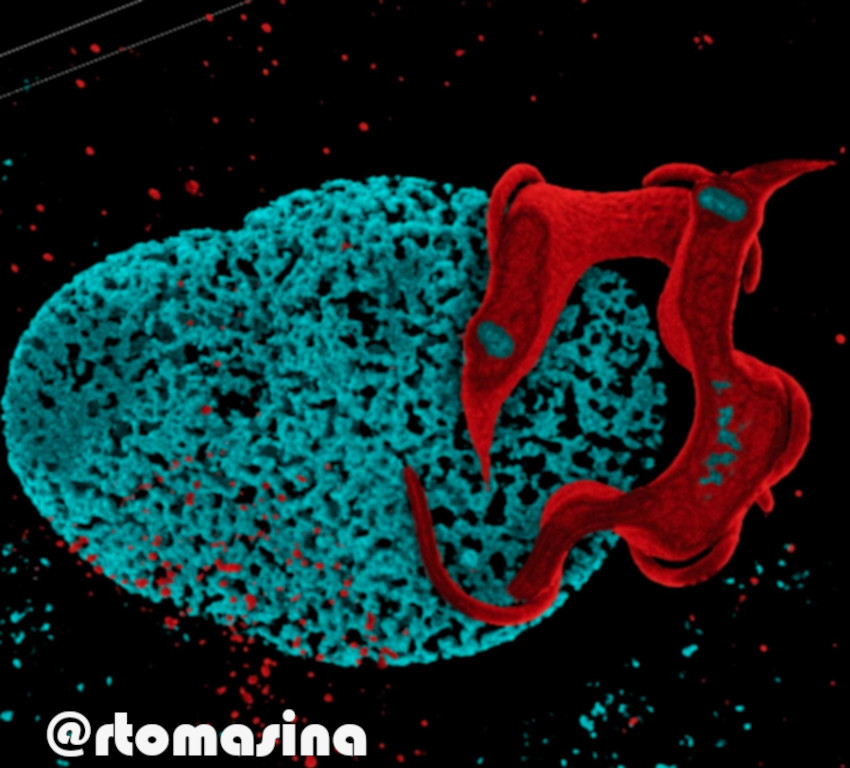 8 GENOMES AVAILABLE
Trypanosoma cruzi
Kinetoplastea • Trypanosomatidae • Stercoraria
Causative agent of Chagas disease. The pangenome resource includes complete assemblies across multiple clades (A–D) and hybrid strains, with T2T-level resolution and full chromosomal annotation.
Explore T. cruzi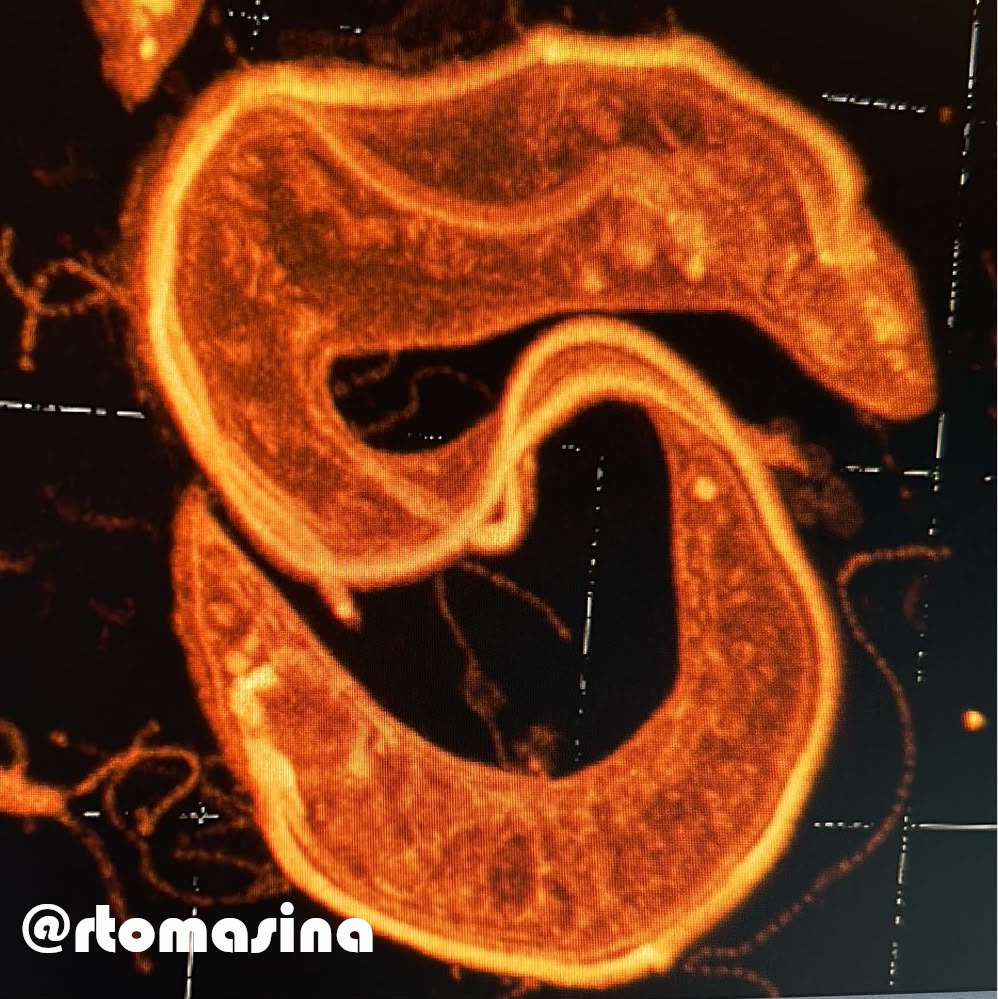 1 GENOME AVAILABLE
Trypanosoma evansi
Kinetoplastea • Trypanosomatidae • Salivaria
Causative agent of Surra, a wasting disease affecting livestock across Asia, Africa, and Latin America. Transmitted mechanically by biting flies; notable for the absence of maxicircle kinetoplast DNA in some strains.
Explore T. evansi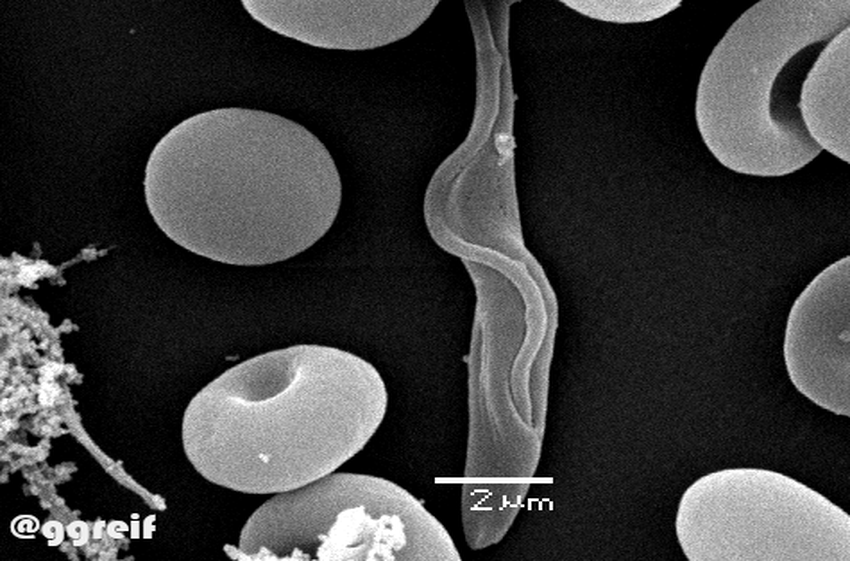 coming soon
Trypanosoma vivax
Kinetoplastea • Trypanosomatidae • Salivaria
Major pathogen of cattle in sub-Saharan Africa and South America. Transmitted by tsetse flies and mechanical vectors; responsible for significant economic losses in tropical livestock production systems.
Explore T. vivaxPublications
The complete genome of Trypanosoma cruzi reveals 32 chromosomes and three genomic compartments.
BMC Genomics (2026). https://doi.org/10.1186/s12864-025-12482-0
Nanopore Long Read DNA Sequencing of Protozoan Parasites: Hybrid Genome Assembly of Trypanosoma cruzi.
Methods Mol. Biol. (2021). https://doi.org/10.1007/978-1-0716-1681-9_1
Genome-wide chromatin interaction map for Trypanosoma cruzi
Nat. Microbiol. (2023). https://doi.org/10.1038/s41564-023-01483-y
Nanopore Sequencing Significantly Improves Genome Assembly of the Protozoan Parasite Trypanosoma cruzi.
Genome Biol. Evol. (2019). https://doi.org/10.1093/gbe/evz129
Transcriptome Studies in Trypanosoma cruzi Using RNA-seq.
Methods Mol. Biol. (2019). https://doi.org/10.1007/978-1-4939-9148-8_3
Expanding an expanded genome: long-read sequencing of Trypanosoma cruzi.
Microb. Genom. (2018). https://doi.org/10.1099/mgen.0.000177
Genome sequence of a Trypanosoma evansi isolate from a dog in Uruguay.
Vet Parasitol Reg Stud Reports (2026). https://doi.org/10.1128/mra.00568-26
The first case report of trypanosomiasis caused by Trypanosoma evansi in Uruguay.
MRA (2018). https://doi.org/10.1016/j.vprsr.2017.11.002
Different kinetoplast degradation patterns in American Trypanosoma vivax strains: Multiple independent origins or fast evolution?
Genomics (2021). https://doi.org/10.1016/j.ygeno.2020.12.037
Kinetoplast adaptations in American strains from Trypanosoma vivax.
Mutat. Res. (2015). https://doi.org/10.1016/j.mrfmmm.2015.01.008
Transcriptome analysis of the bloodstream stage from the parasite Trypanosoma vivax.
BMC Genomics (2013). https://doi.org/10.1186/1471-2164-14-149
About This Resource
This database provides curated genomic data for Trypanosoma species of medical and veterinary importance. The T. cruzi pangenome currently includes 8 fully assembled strains spanning Clades A, B and hybrid lineages (BC), with telomere-to-telomere (T2T) resolution for selected strains (Dm28c, Greif et al. 2026). Resources for T. evansi and T. vivax are under active development.